
Dealing with a fire-damaged home creates an overwhelming situation where you need to coordinate moving out while simultaneously preparing the property for sale. The process requires careful planning to protect your health, salvage belongings, and navigate the unique challenges that fire damage presents.
Start by scheduling a professional assessment of structural safety before entering the property to remove any items. Fire damage extends beyond visible char marks—smoke penetration, water damage from firefighting efforts, and compromised air quality all affect what you can safely keep and move. Contact your insurance company immediately to document everything and understand your coverage for both moving expenses and property restoration or sale.
Create a systematic sorting plan that categorizes items into salvageable belongings, items requiring professional cleaning, and those too damaged to save. Professional moving services experienced with fire-damaged properties can provide specialized packing materials and handling techniques for smoke-affected items, preventing cross-contamination with undamaged belongings during transport.
Consider temporary storage solutions for salvaged items while you focus on the sale process. Many homeowners find themselves juggling tight timelines, especially when insurance coverage for temporary housing runs out. Understanding how to sell a house after fire damage helps you make informed decisions about whether to invest in repairs or sell as-is, which directly impacts your moving timeline and budget.
The right moving strategy reduces stress during an already difficult transition, allowing you to focus on rebuilding your life while handling the property sale efficiently and safely.
Why Moving Services Matter When Selling Fire-Damaged Property
Selling a fire-damaged house is already overwhelming, and the last thing you need is the added stress of figuring out how to move your belongings safely and efficiently. This is where specialized moving services become not just helpful, but essential to your success.
First, let’s talk about safety. After a fire, your home contains hazards you might not immediately recognize. Structural damage, lingering smoke particles, and compromised air quality create risks for anyone entering the property. Professional movers trained in handling fire-damaged properties know how to navigate these dangers while protecting both themselves and your possessions. They arrive equipped with proper safety gear and understand which items can be salvaged and which pose contamination risks.
Time is another critical factor. When selling a fire-damaged house, you’re often working against the clock. Insurance timelines, mortgage payments on a home you can’t live in, and the urgency to move forward with your life all create pressure. Professional moving assistance helps you meet tight deadlines without sacrificing thoroughness. They work efficiently to pack, sort, and transport your belongings while you focus on negotiations with buyers, insurance adjusters, and real estate agents.
I remember talking to a homeowner who tried handling everything alone after a kitchen fire. She spent weeks trying to clean and pack items while simultaneously preparing the house for sale. The emotional toll was enormous. She later told me that hiring movers halfway through was the best decision she made, wishing she’d done it from the start.
The emotional burden of sorting through fire-damaged possessions shouldn’t be underestimated. Every item holds memories, and deciding what to keep, restore, or discard is exhausting. Professional movers provide not just physical help but also objective guidance during this difficult process. They help you make practical decisions without the emotional attachment that can cloud judgment, allowing you to preserve what truly matters while moving forward with the sale.
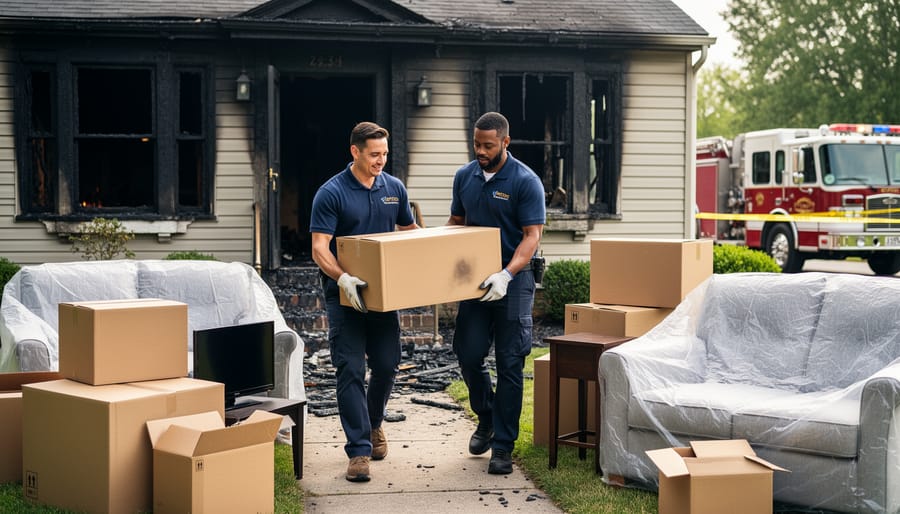
What to Remove Before Listing Your Fire-Damaged Home
Salvageable Items Worth Moving
After a fire, not everything is lost. Take time to carefully identify items that survived the damage—these are worth salvaging and moving. Start with important documents like insurance papers, birth certificates, and property deeds, even if they smell of smoke. These can often be professionally restored.
Sentimental items should be your next priority. Family photos, heirlooms, and keepsakes hold irreplaceable value. I once helped a neighbor after a kitchen fire, and we found her grandmother’s jewelry box untouched in a bedroom drawer—she was relieved we checked every room thoroughly.
Electronics, furniture, and clothing from unaffected areas are definitely worth moving. Check closets and rooms far from the fire source, as they often escape damage entirely. Valuable items like artwork, antiques, or collectibles should be carefully documented with photos before packing.
When packing salvageable items, use essential moving supplies like sealed plastic bins rather than cardboard boxes to prevent smoke odor transfer. Label everything clearly, separating items by condition: undamaged, smoke-affected but cleanable, and needs professional restoration.
Professional movers experienced with fire damage can help you assess what’s worth saving and pack items properly to prevent cross-contamination during transport.
Items That Need Special Handling
After a fire, not everything can simply be boxed up and moved like during a typical relocation. Certain items require extra care and professional assessment before they go anywhere. Smoke-damaged upholstered furniture, for instance, may need specialized cleaning before you can determine if it’s worth keeping or should be disposed of. Electronics exposed to smoke and soot often suffer internal damage that isn’t immediately visible, so have a technician evaluate valuable items like computers or televisions before packing them.
Textiles present their own challenges. Clothing, curtains, and linens absorb smoke odors deeply and may require professional restoration services rather than standard laundering. I learned this the hard way when a client tried saving smoke-damaged bedding without proper treatment—the smell persisted even after multiple washes.
Working with movers experienced in fire-damaged properties makes a significant difference. They’ll know to use proper packing materials that won’t transfer odors between items and can coordinate with restoration specialists. Some items may need to go directly to cleaning facilities rather than your new home, so create a detailed inventory noting which pieces require special handling. This prevents cross-contamination and helps you make informed decisions about what’s salvageable.
Choosing the Right Moving Service for Your Situation
Questions to Ask Potential Movers
When interviewing moving companies for your fire-damaged property, asking the right questions can protect you from headaches later. I learned this firsthand when my neighbor rushed to hire movers without proper vetting and ended up with damaged belongings and surprise fees.
Start with insurance questions. Ask if they carry specific liability coverage for fire-damaged items and what documentation they need. Request proof of both general liability and workers’ compensation insurance. If something goes wrong, knowing the claims process upfront—including how filing a complaint works—saves tremendous stress.
Experience matters significantly here. Ask how many fire-damaged properties they’ve handled and request references from similar situations. Inquire about their familiarity with smoke-damaged items and whether they have special packing materials for soot-covered belongings.
Safety protocols are critical. Do they conduct pre-move safety assessments? What protective equipment do their crews use? How do they handle potentially unstable structures or compromised flooring?
Discuss timing flexibility since fire damage sales often involve unpredictable schedules. Can they accommodate last-minute changes? Do they offer short-term storage if closing dates shift?
Finally, clarify all costs upfront. Ask about charges for specialty packing, additional labor for careful handling, and potential fees for contaminated items requiring special disposal. Request everything in writing. A reputable company welcomes these questions and provides clear, detailed answers. If anyone seems evasive or dismissive, consider it a red flag and keep searching.
Understanding Insurance and Liability
Navigating insurance after a fire can feel overwhelming, but understanding your coverage is essential when planning your move. I learned this the hard way when helping my cousin relocate after a kitchen fire—we assumed everything was covered, only to discover we needed specific documentation we hadn’t gathered.
Start by contacting your homeowner’s insurance immediately. Most policies cover moving expenses for fire-damaged belongings, but coverage varies significantly. Ask your adjuster specifically about what moving-related costs are included. Typically, insurance may cover professional moving services, temporary storage, and even packing materials for salvageable items.
Documentation is your best friend in this situation. Before movers arrive, photograph and inventory everything you’re taking, even damaged items. Keep all receipts from the moving company, packing supplies, and storage facilities. Your insurance company will need this paper trail to process claims efficiently.
Here’s a practical checklist for insurance documentation:
– Take photos of items before packing
– Create a detailed inventory list with estimated values
– Save all moving-related receipts
– Request written estimates from moving companies
– Keep copies of your insurance policy and claim number handy
When hiring movers, verify they carry adequate liability insurance for handling fire-damaged property. Professional moving companies should have both general liability and cargo insurance. Don’t hesitate to ask for proof of coverage—reputable movers expect this question and will gladly provide documentation. This protects you if items are further damaged during transport, giving you peace of mind during an already stressful time.
Timing Your Move to Maximize Sale Value
Deciding when to move out of your fire-damaged property can significantly impact both your sale price and your stress levels. I learned this firsthand when helping my cousin navigate selling her smoke-damaged townhouse—timing made all the difference in her final offer.
Generally, clearing out your belongings before listing gives buyers a better view of the property’s potential. An empty, fire-damaged house allows inspectors and contractors to assess the full extent of damage without obstacles. Potential buyers can envision renovation possibilities more clearly when they’re not distracted by furniture or personal items. This transparency often translates to faster sales, even if the offers reflect the damage honestly.
However, if you need somewhere to store your salvaged belongings while house-hunting for your next home, coordinate with your real estate agent first. They can provide valuable insight into your local market conditions. In hot markets, properties move quickly regardless of occupancy status, while slower markets benefit more from staging or complete clearing.
Work closely with your agent to establish a realistic timeline. If you’re facing a short notice move because of buyer demands or safety concerns, professional movers experienced with fire damage situations can expedite the process safely. They understand the urgency while handling compromised belongings appropriately.
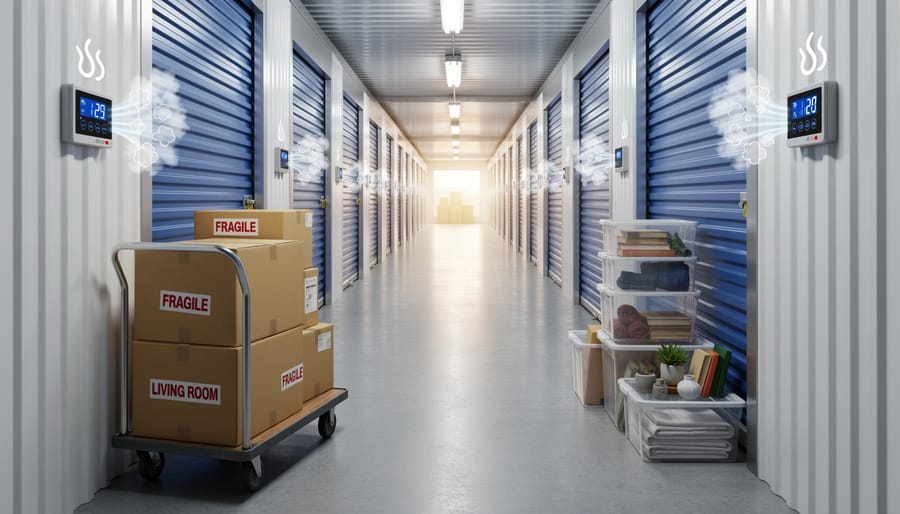
Consider this practical approach: pack and remove salvageable items room by room as restoration assessments are completed. This staged clearing allows you to maintain some normalcy while progressively preparing the property for showings. Store valuable saved items in a climate-controlled facility to prevent further deterioration during the selling process.
Communicate openly with your real estate professional about your moving constraints. They can schedule showings around your packing timeline or recommend whether investing in temporary storage makes financial sense for your situation. Remember, while moving before listing typically maximizes buyer interest, your personal circumstances and local market dynamics should ultimately guide your decision. The right timing balances financial objectives with your practical needs during this challenging transition.
Storage Solutions During the Selling Process
When selling a fire-damaged home, finding the right storage solutions becomes essential for protecting your belongings during showings and inspections. Let me share what I learned when my neighbor faced this exact situation after a kitchen fire: having a clear storage plan actually helped speed up her sale by keeping the property clutter-free and presentable.
For items affected by smoke but not destroyed, climate-controlled storage units are your best friend. These units maintain consistent temperature and humidity levels, preventing further damage to furniture, clothing, and documents. Smoke odor can continue to penetrate materials in regular storage, so this investment protects your belongings’ value. Expect to pay slightly more than standard units, but the protection is worth it for irreplaceable items.
Short-term storage works well if you’re confident about a quick sale. Many moving companies offer the first month free or at reduced rates, which helps during this financially stressful time. Portable storage containers delivered to your property provide convenient access while you’re sorting through salvageable items and preparing for showings.
For longer selling timelines, consider these cost-effective approaches. Self-storage facilities often provide discounts for three to six-month commitments. Some facilities even offer insurance specifically for smoke-damaged items, giving you extra peace of mind. Keep a detailed inventory with photos of everything you store, which helps for both insurance claims and your own organization.
A practical tip: store cleaning supplies and staging materials separately from smoke-affected items to prevent odor transfer. Create an essentials box you can access easily, containing items you might need during the selling process. This simple organization step reduces stress when you’re already juggling property showings, repairs, and moving logistics.
Cost-Saving Tips for Moving from a Fire-Damaged Property
Using Insurance to Cover Moving Costs
After experiencing a fire, your homeowner’s insurance may cover more than just property damage—many policies include provisions for moving expenses. This can be a significant relief when you’re already facing financial strain.
Start by reviewing your policy’s Additional Living Expenses (ALE) coverage. This typically covers reasonable moving costs when your home becomes uninhabitable due to fire damage. Contact your insurance adjuster immediately to understand your specific coverage limits and what qualifies as reimbursable expenses.
Documentation is crucial for successful claims. Keep detailed records of everything: get written estimates from moving companies, save all receipts for packing materials, document storage unit costs, and photograph valuable items before the move. Create a moving expense folder—both physical and digital—to organize these documents as you go.
Most policies cover professional moving services, temporary storage, and packing supplies. However, they typically won’t cover costs related to upgrading to a larger home or luxury moving options. Be realistic and stick to necessary expenses.
When working with movers, ask if they’ve handled insurance-related moves before. Experienced companies understand the documentation requirements and can provide itemized invoices that satisfy insurance requirements. Submit your claim promptly with complete documentation, and follow up regularly. Remember, persistence pays off—I’ve seen homeowners recover thousands in moving costs simply by staying organized and advocating for their coverage.
When DIY Makes Sense (And When It Doesn’t)
After my friend’s kitchen fire, I learned quickly which tasks I could tackle and which required professionals. Light packing of undamaged items like clothing, books, and kitchenware is perfectly manageable for most homeowners. You can save money by boxing up rooms unaffected by fire damage yourself.
However, professional help becomes essential when dealing with smoke-damaged furniture, items near the fire zone, or anything requiring special handling. I made the mistake of trying to move a smoke-saturated couch myself—the odor spread throughout my car, and I spent days trying to eliminate it. Additionally, fire-weakened structures pose real safety risks. If floors, stairs, or walls show any damage, let trained movers assess the situation first.
Professional movers also have proper equipment for heavy lifting and know how to navigate potentially unstable areas safely. They’re insured, which matters tremendously when dealing with property that’s already compromised. Consider a hybrid approach: pack non-damaged items yourself while hiring professionals for anything touched by fire, smoke, or water from firefighting efforts. This balanced strategy protects both your safety and your budget.
Safety Considerations When Moving from Fire Damage
Moving items from a fire-damaged home isn’t like a typical move, and safety must be your top priority. I learned this firsthand when helping my cousin relocate after a kitchen fire. What looked salvageable at first glance often carried hidden dangers we hadn’t anticipated.
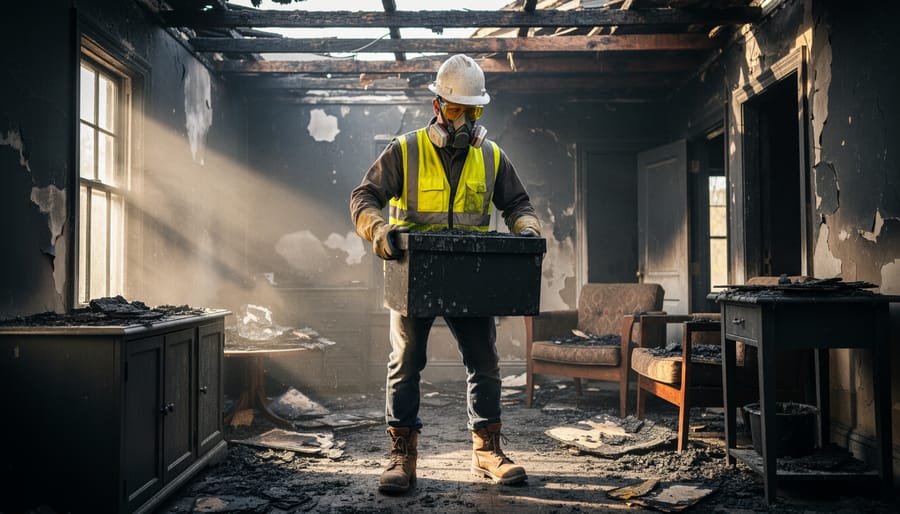
First, assess whether you should even enter the property. If structural damage is visible—sagging ceilings, weakened floors, or compromised walls—stop immediately and call a professional. Your safety is worth more than any possession. Even if the damage appears minimal, fire can weaken beams and supports in ways that aren’t obvious to untrained eyes.
Protective equipment is non-negotiable. At minimum, you’ll need N95 masks or respirators to protect against smoke particles and ash, heavy-duty gloves to prevent cuts from damaged materials, safety goggles, and long sleeves. Smoke residue contains toxic chemicals that can irritate your lungs and skin even days after the fire.
Be especially cautious with items that absorbed smoke. Porous materials like upholstered furniture, mattresses, and clothing can trap harmful particles and odors. Honestly assess whether cleaning costs exceed replacement value. Some belongings simply aren’t worth salvaging, no matter how much sentimental value they hold.
Know when to call professionals. If you encounter asbestos-containing materials (common in older homes), electrical hazards, or extensive structural damage, this isn’t DIY territory. Professional restoration and moving companies have specialized training and equipment to handle hazardous situations safely.
Document everything with photos for insurance purposes, but never compromise your safety for belongings. Create a quick safety checklist before entering: check structural integrity, wear protective gear, work in well-ventilated areas, and keep emergency contacts handy. When in doubt, wait for professional clearance.
Preparing for Your Fresh Start
After navigating the challenges of selling a fire-damaged home, you deserve to focus on the positive side of this transition. Your fresh start begins with thoughtful planning for your new living situation.
Start by prioritizing what matters most in your new space. Safety features like working smoke detectors and updated electrical systems likely top your list now, and that’s completely understandable. Consider what brought you comfort before the fire and what new elements might help you feel secure moving forward.
Create a realistic timeline for settling in. Don’t pressure yourself to unpack everything immediately. Begin with essentials like bedrooms, bathrooms, and the kitchen, then gradually work through remaining boxes as you adjust to your new environment.
I remember helping a neighbor whose family lost their home to fire three years ago. She shared that focusing on creating small, comforting spaces in their new home, starting with her daughter’s bedroom, helped everyone begin healing emotionally. She didn’t try to recreate what was lost but instead embraced the opportunity to build new memories.
This experience has tested your resilience, but you’ve made it through the toughest parts. Selling your damaged property and organizing a move while processing loss takes tremendous strength. As you arrange furniture and hang pictures in your new home, remember that you’re not just moving possessions. You’re moving forward, carrying lessons learned and the courage to rebuild.
Take this opportunity to establish new routines and safety habits that bring peace of mind. Your fresh start is about more than just a new address—it’s about reclaiming your sense of home and security.
Dealing with a fire-damaged home is overwhelming, but you don’t have to navigate the moving process alone. By partnering with professional moving services, you’re taking a significant burden off your shoulders during an already challenging time. These experts understand the unique complexities of handling fire-affected belongings, coordinating tight timelines with property sales, and ensuring your valuables reach their destination safely.
Remember, the key steps include assessing what can be salvaged, documenting everything for insurance purposes, securing proper packing materials for smoke-damaged items, and choosing movers experienced with disaster recovery situations. Having a clear checklist and timeline helps transform chaos into manageable tasks.
I’ve seen firsthand how the right moving team can turn a seemingly impossible situation into a structured, achievable plan. They handle the heavy lifting while you focus on closing your sale and moving forward with your life.
Ready to take that first step? Getting moving quotes is simple and gives you options to compare services, pricing, and availability. Reach out to several companies today, explain your fire-damage situation, and let professionals guide you toward a smoother transition.